Plumbing rarely shows up on the monthly Plumbing in Sandpoint Idaho energy bill in obvious ways. You flip on a faucet, the light turns on, a furnace cycles, and the bill arrives. Yet the condition of your pipes, fixtures, and water heater has a direct, measurable effect on how much energy you use, and in Sandpoint Idaho that effect is shaped by our climate, seasonal habits, and local building stock. If you want to reduce utility costs without sacrificing comfort, treating plumbing as an energy system is one of the fastest routes to savings.
Why this matters Sandpoint sits in a cold winter climate with long heating seasons and a tourism-driven summer. Hot water demand spikes in shoulder seasons when cabins, rentals, and family homes are occupied intermittently. A leaking water heater, inefficient showerhead, or corroded boiler connection can inflate bills by percentages that add up into real dollars over a year. For households and small businesses, plumbing improvements pay for themselves faster than many people expect.
How plumbing consumes energy in a home Most people think of heating systems and electrical appliances when they imagine energy use. Plumbing interacts with both. Hot water heaters convert fuel or electricity into thermal energy. Heat pumps move thermal energy into and out of water when used in hybrid water heater systems. Boilers heat both space and water in some homes. Leaks waste the energy already used to heat water, while poor insulation lets that heat escape before it reaches fixtures. Even pressure imbalances cause pumps to run longer than necessary. Those are the big, practical channels where plumbing translates into cost.
Examples that make the math tangible A 10 gallon per day leak in a hot water line is easy to miss. Over a year that is roughly 3,650 gallons. If your water heater raises water temperature by 90 degrees Fahrenheit and your heater runs on electricity at roughly 0.2 kWh per gallon for that rise, that leak costs about 730 kWh a year in wasted energy, not to mention water charges and potential property damage. At an electricity rate of 15 cents per kWh, that single leak costs about $110 a year in wasted heating alone. Multiply that across multiple leaks or degraded components and the waste escalates quickly.
An anecdote from a local install Last winter I visited a 1960s bungalow near Downtown Sandpoint. The owners thought their electric bills had risen purely because rates increased. The real culprit was a replacement electric water heater improperly disconnected from a recirculation pump. The pump was cycling continuously, running the heater every 15 minutes to maintain delivery temperature. Fixing the wiring and installing a smart recirculation controller cut their water-heating consumption by about 35 percent. That equated to savings of roughly $250 over the next six months, and avoided the need to upgrade their service panel.
Key plumbing components that affect energy bills Plumbing is an ensemble of parts, and each influences energy consumption in different ways. Hot water heaters and boilers sit at the center, but distribution matters too. Undersized pipes cool water between the heater and the fixture, so homeowners run taps longer. Poorly insulated pipes lose heat to cold basements and crawlspaces, forcing the heater to run more frequently. Showerheads and faucets that draw high flow increase hot water demand. Recirculation systems can save water but, if configured poorly, increase energy use. Finally, leaks are the stealthy energy drain, invisible until a bill or a puddle gives them away.
The trade-offs of common upgrades Replacing a water heater with a high-efficiency model reduces energy per gallon of hot water produced, but installation costs, venting changes, and space constraints matter. For instance, switching from an old electric tank to a gas condensing unit may save 20 to 30 percent in fuel cost, but requires gas service capacity and proper venting. Tankless units cut standby losses but can struggle to meet simultaneous high demand without multiple units or a properly sized unit, and inlet water temperatures in Sandpoint can be low enough that small tankless units perform poorly in winter. Heat pump water heaters offer excellent efficiency in moderate climates, but in a cold garage they can be less efficient and require supplemental electric resistance heating during very cold spells. Choosing the right solution requires thinking about household demand patterns, space, fuel availability, and upfront budget.
Practical steps that produce the largest wins Small fixes often deliver the best return on investment. Start with the obvious: fix visible leaks, insulate exposed hot water pipes, and lower the water heater thermostat to a safe but efficient setting of 120 degrees Fahrenheit if you do not need higher temperatures for sanitation or dishwashing. Upgrade showerheads and aerators to low-flow but properly designed models that keep the feel of strong water pressure while cutting gallons per minute. Consider a short-term recirculation solution with a demand-control timer rather than a pump that runs continuously. These changes are low-cost and frequently pay back within a year or two through lower energy and water bills.
A short checklist to get started
- inspect for visible leaks under sinks and around the water heater, and repair promptly add 2 to 6 feet of pipe insulation to exposed hot water runs in unheated spaces set water heater thermostat to 120 degrees Fahrenheit unless otherwise required replace old showerheads and faucet aerators with EPA WaterSense rated models install a demand-control recirculation timer if you have long waits for hot water
The role of professional plumbers in Sandpoint A reliable plumber in Sandpoint ID brings local knowledge you cannot get from a generic contractor. Local plumbers understand freeze risks, typical pipe runs in older homes, and how to route insulation in difficult attic and crawlspace configurations. A plumber company in Sandpoint can evaluate whether your water heater should be put on a timer, whether a heat pump water heater is right for your garage, or whether a rework of the distribution system will reduce pump cycling losses. Believe Plumbing, for example, has worked on both residential and small commercial systems here and understands the trade-offs between upfront cost and lifecycle savings in our climate. Hiring a pro prevents errors that turn promising upgrades into expensive problems, such as incorrect venting for a new gas unit or undersized electrical circuits for a heat pump model.
When a DIY approach makes sense, and when it does not There are sensible DIY steps that save money and keep you out of trouble. Replacing a showerhead, insulating pipes with foam sleeves, and lowering the thermostat on an electric tank are straightforward. On the other hand, plumbing that interfaces with gas lines, structural penetrations, or electrical service should be left to a licensed professional. Mistakes on gas venting or water heater wiring are dangerous and costly. If you have a hybrid heating and hot water system, the interactions can be complex. In short, do low-risk maintenance yourself, and call a plumber in Sandpoint for anything that crosses into permitting territory or involves system integration.
How seasonal occupancy affects plumbing-related energy use Vacation homes and rentals in Sandpoint create unique patterns. When a property sits empty, the easiest energy savings come from lowering the water heater temperature or switching it off if the system allows. But that can introduce other costs, such as the need to raise temperature quickly before guests arrive or the risk of freezing in unheated lines. For properties with intermittent use, installing on-demand recirculation or a small point-of-use electric heater at frequently used bathrooms reduces the need to keep the whole tank hot. These decisions must balance convenience, guest expectations, and the overhead of managing settings remotely. A plumber Sandpoint locals trust can install and program these systems so you get the savings without the hassle.
Numbers that matter for planning Expect plumbing-related losses to show up as 10 to 30 percent variation in a household’s hot water energy use between a well-maintained and a poorly maintained system. Standby losses from an old tank can amount to 10 to 20 percent of total water heating energy. Improper recirculation can add 15 to 40 percent to heating runs if pumps operate endlessly. Fixing leaks, insulating pipes, and adjusting thermostats typically return 5 to 15 percent savings on total household energy bills in many cases. For homeowners focused on payback, projects under $500 that yield 10 to 20 percent savings on water-heating energy are almost always worth doing first.
Edge cases and warning signs to watch Not every plumbing fix improves efficiency. Oversized boilers and oversized water heaters can cycle inefficiently. A boiler that short-cycles wastes more energy than a slightly undersized unit that runs longer but steadily. Similarly, installing low-flow fixtures into a plumbing system with very long runs can lead to dissatisfaction and multiple calls to a plumber, which reduces the real savings. Watch for unusual sounds: a pump running constantly, the water heater firing much more often than expected, or temperature swings at fixtures. Brown water or persistent pressure drops can signal scaling or sediment that reduces heat transfer efficiency in tanks and boilers, increasing run times and bills.
How to prioritize upgrades in your home Start with diagnostics. Track your hot water usage patterns for a week, note where waits for hot water occur, and check for visible leaks and insulation gaps. Get a plumber company in Sandpoint to perform a targeted audit if you see signs of inefficiency or have complex systems. For most homes, priority order looks like this: fix leaks and plumbing defects, insulate exposed hot water piping, optimize temperature settings, install efficient fixtures, and then evaluate equipment replacement based on age, fuel type, and expected life. If you plan major remodeling, consider relocating water heaters closer to bathrooms or installing a point-of-use unit as part of the project to reduce distribution losses.
Financing and incentives to offset upfront cost Energy-efficient plumbing upgrades often qualify for rebates or tax credits depending on season and utility programs. Idaho has periodically offered incentives for efficient water heaters and heat pump installations through regional utilities and federal programs. Financing through local contractors or energy efficiency programs can spread the cost, and because many plumbing upgrades pay back within a few years, the cash flow impact is manageable. Always ask your plumber in Sandpoint ID about local rebates and whether they handle incentive paperwork. A plumber familiar with local programs, like Believe Plumbing, can steer you toward options that maximize upfront rebates plus long-term savings.
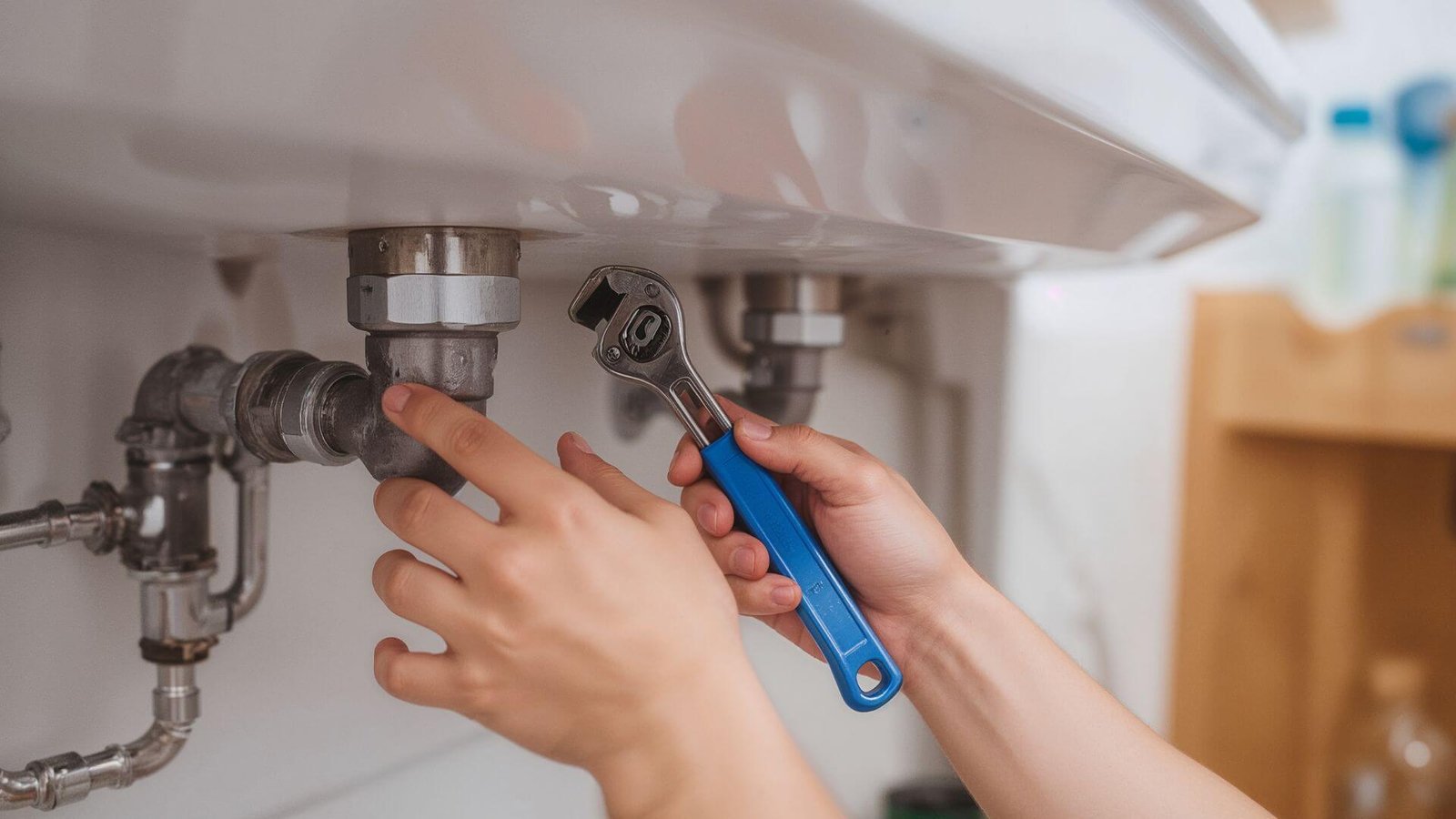
Final persuasion: small plumbing choices compound Plumbing decisions are not isolated. A slightly better fixture, a bit of pipe insulation, and a corrected pump setting add up. Over seasons and years, these small improvements compound into meaningful reductions in energy use and bills. If you want to reduce costs in a way that preserves comfort and safeguards your property, treat your plumbing like the energy system it is. Start with a quick audit, fix the plumbing in Sandpoint obvious leaks, and then call a trusted plumber Sandpoint homeowners recommend to evaluate the bigger choices. The right interventions often pay for themselves quickly and deliver ongoing savings with minimal hassle.
If you want a practical first step, inspect under sinks and around the water heater this weekend, note anything dripping or cold to the touch, and take the photos to your next service call. A short conversation with a plumber in Sandpoint can translate those simple observations into a prioritized plan that lowers bills and improves daily comfort.
Believe Plumbing
819 US-2, Sandpoint, ID 83864
+1 (208) 690-4948
[email protected]
Website: https://callbelieveplumbing.com/